1425 McHenry Road, Suite 204, Buffalo Grove, IL 60089
●Free Initial Consultation

847-239-4703 | 773-383-8745

-

- Home
- Firm Overview
- Attorney Profile
- Practice Areas
- Criminal Law
- DUI Defense
- Aggravated DUI
- Breathalyzer Defense
- Chronology of a DUI Arrest
- Commercial Drivers License (CDL) DUI
- Driving While License Revoked
- DUI and Drug Use
- DUI FAQs
- DUI Penalties
- DUI with Injury Accident
- Felony DUI
- Field Sobriety Tests
- First-Time DUI
- Illinois DUI Law
- MDDP Driving Permit
- MDDP/BAIID
- Multiple DUI
- Statutory Summary Penalty
- Traffic Violations
- Domestic Battery
- Drug Charges
- Expungements and Sealing
- Felonies
- Juvenile Offenses
- Misdemeanors
- Retail Theft/Shoplifting
- Sexual Offenses
- Violent Crimes
- White Collar Crimes
- DUI Defense
- Criminal Law
- Testimonials
- Case Results
- Media
- Contact
How Can Police Prove You’re Trying To Sell Drugs?
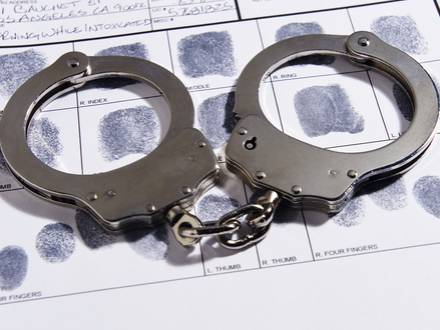 Police can prove you are trying to sell drugs without ever watching a sale happen. They build these cases using circumstantial evidence. That means a group of facts that, when looked at together, suggest you planned to distribute drugs even if no transaction was ever seen. The amount of drugs found, how they were packaged, what else was nearby, and what you said during the arrest can all be used to support a charge. If you are facing a drug charge in 2026, a Libertyville, IL drug crimes defense lawyer can help you understand what the state has and how to fight it.
What Is the Difference Between Possession and Possession With Intent to Deliver in Illinois?
Simple possession means you had a controlled substance for personal use. Possession with intent to deliver means the state believes you planned to give or sell the drugs to someone else. Being charged with intent to deliver is more severe, with harsher penalties. Under 720 ILCS 570/401, possession with intent to deliver is generally charged as a felony in Illinois, with the seriousness of the felony depending on the type of drug and the amount involved.
The key to this charge is intent. The state does not need to show that a sale happened. It only needs to show that the facts point to an intention to distribute.
What Physical Evidence Do Police Use To Show Intent To Sell in Illinois?
When police find drugs, they look at everything around them to build a picture of what was going on. Physical evidence commonly used to support an intent to deliver charge includes:
-
A quantity of drugs larger than what someone would typically keep for personal use
-
Drugs split into separate, individual portions rather than kept together in one container
-
Large amounts of cash found near the drugs
-
Scales, empty baggies, or rubber bands used to bundle cash
-
Multiple cell phones or messages that point to an ongoing distribution operation
-
The absence of personal use items nearby, such as pipes or syringes, that would suggest the drugs were for the person's own use
Police and prosecutors argue that these items together show someone who was set up to sell, even if no sale was ever seen.
How Do Statements Made During an Arrest Affect an Intent To Sell Case in IL?
Anything you say during or after an arrest can be used against you. This includes casual comments at the scene, answers to questions asked in a custodial interview if police did not properly advise you of your rights, and statements made during a voluntary interview. Prosecutors look for anything that suggests you knew about the drugs, knew their street value, or had others involved in distributing them.
This is one of the biggest reasons not to say anything to police without an attorney present. Even something that seems harmless can be used as evidence of intent to sell.
What Role Do Text Messages and Phone Records Play in an Illinois Intent To Deliver Case?
Text messages, social media messages, and call logs have become some of the most powerful tools prosecutors use in drug cases. A single text referencing an amount of drugs, a price, or a plan to meet can be used to show that sales were happening or being planned. Police can get this data by searching a seized phone or by getting a warrant from a carrier or app provider.
Even deleted messages can sometimes be recovered through digital forensics. The digital evidence tied to a drug arrest is just as important to the defense as the physical evidence found at the scene.
Can Police Use Informants or Undercover Officers To Investigate a Drug Case in Illinois?
Confidential informants and undercover officers are used regularly in drug cases. An informant might tell police that a specific person has been selling, which can be used to get a search warrant. An undercover officer might carry out a controlled buy, which is a staged purchase that is recorded and monitored by law enforcement.
When an informant is involved, the defense can challenge their credibility, look at whether they had a personal reason to provide the information, and check whether their claims were backed up by anything else. In undercover cases, the defense may raise entrapment if law enforcement pushed someone into committing a crime they would not have otherwise committed.
How Can You Challenge a Possession With Intent To Deliver Charge?
There are ways to fight this kind of charge. When reviewing your case, a defense attorney will look at all of the following:
-
The legality of the search that uncovered the drugs and whether it was conducted properly
-
How the amount found compares to what someone would typically keep for personal use
-
Whether the packaging and surrounding circumstances are truly as incriminating as the prosecution claims
-
Alternative explanations for the evidence that the state may not have considered
-
The procedures officers followed at every stage of the stop, search, and arrest
-
Whether any statements you made were obtained in violation of your rights
The Fourth Amendment protects against unlawful searches and seizures. Evidence gathered in violation of that protection may be thrown out entirely.
Schedule a Free Consultation With Our Buffalo Grove, IL Drug Crimes Defense Attorney
A possession with intent to deliver charge is one of the most serious drug offenses you can face in Illinois. At The Law Offices of Matthew R. Gebhardt, P.C., Attorney Gebhardt has over 20 years of experience handling drug crimes cases throughout Illinois. He has worked for the Cook County State's Attorney's Office as a prosecutor and has broad experience in all facets of criminal law in Illinois. He knows how the state builds these cases and where they can be taken apart.
Call 847-239-4703 to schedule your free consultation with our Libertyville, IL drug crimes defense lawyer today.











Contact Our Firm
 The use of the Internet or this form for communication with the firm or any individual member of the firm does not establish an attorney-client relationship. Confidential or time-sensitive information should not be sent through this form.
I have read and understand the Disclaimer and Privacy Policy.